What is Orthodoxy?

The Orthodox Church is the original Christian Church, founded by Jesus Christ and carried forward by His Apostles. It is the same Church described in Scripture as the Body of Christ and also His Bride (1 Corinthians 12:27; Ephesians 5:23–25). Over the course of two thousand years, Orthodox Christianity has remained faithful to the teachings and practices handed down by the Apostles and the early Church Fathers (2 Thessalonians 2:15).

Today, the Orthodox Church exists as a communion of seventeen self-governing churches. These churches share one faith, a unified sacramental and liturgical life, and a common history that traces back to Jerusalem around 33 A.D.

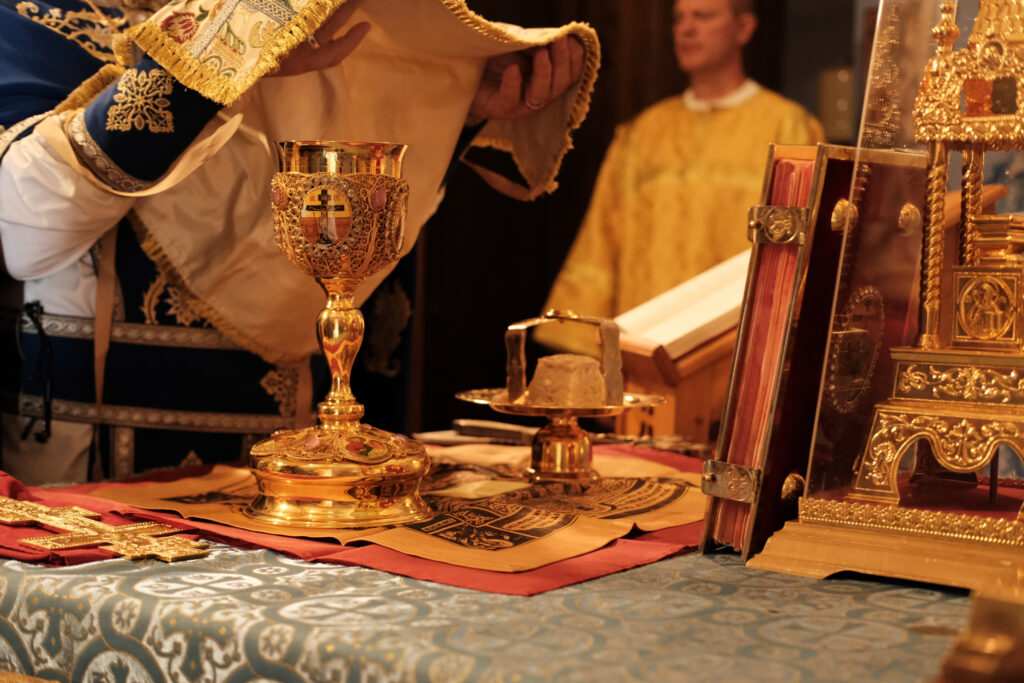
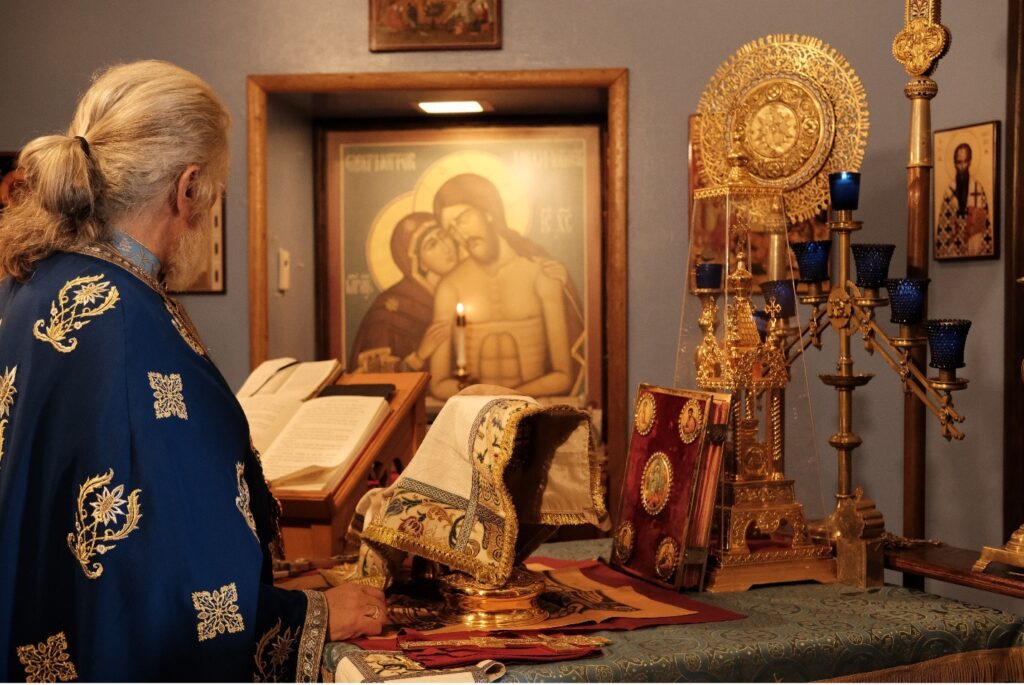
Alter for divine liturgy

In the Old Testament, the Prophets foretell the coming of Christ. In the Gospels and throughout the New Testament, we come to know our Lord, God, and Savior, Jesus Christ. There we also see the foundation of the Church’s sacramental life, its worship, and its structure of leadership—bishops, priests, and deacons—emerging in the earliest Christian communities.

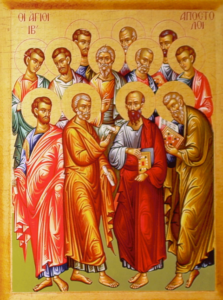
The Apostles, the twelve original disciples of Christ, traveled widely throughout the ancient Greco-Roman world, establishing Christian communities in city after city—many of which still exist today. Despite intense persecution, the Christian faith spread rapidly across the Middle East, Asia Minor, North Africa, Europe, and even into India.

As the Church expanded, major centers of administration developed in five principal cities: Jerusalem, Antioch, Alexandria, Rome, and Constantinople.

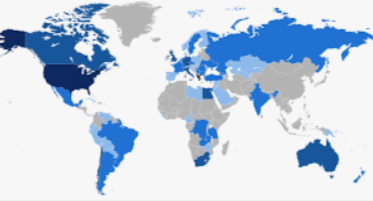
Today, approximately 250 million people identify as Orthodox Christians. Most live in countries such as Greece, Russia, Romania, and Serbia, as well as throughout the Middle East. In the United States, there are roughly four million Orthodox Christians, and that number continues to grow as people from Western Christian traditions—and even other religions—seek the fullness of the Church.

'Eastern Orthodox'?

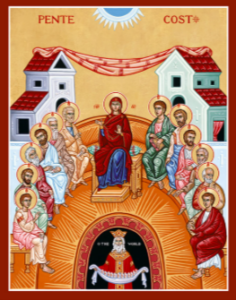
The Orthodox Church began in Jerusalem on the day of Pentecost (Acts 2), and from that moment it spread throughout the world. While often called “Eastern” Orthodox, the faith is not confined to the East.

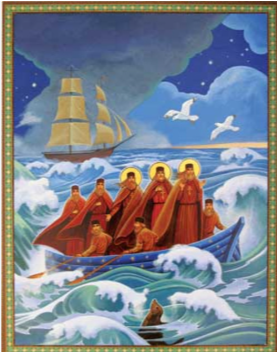
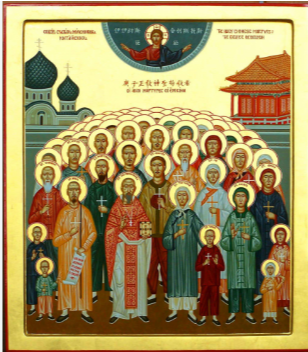
Orthodoxy is now firmly established across North America, Africa, Australia, and Western Europe, with smaller communities present in Asia and South America. Russian Orthodox missionaries reached Alaska in the late 1700s, and later brought the faith to Japan and China in the 1800s. During the 20th century, migration—especially during periods of Communist oppression in Eastern Europe—significantly expanded Orthodox presence worldwide.

To see how this continuity has been maintained while the Church spread across continents and cultures, it helps to look at key moments throughout its history.

A Timeline of Church History

Early Church Foundations (1st–3rd Century)

This timeline highlights major events that shaped the life of the Church from its beginning to the present day.

  • c. 29–33 A.D. — Pentecost

    The Church begins with the descent of the Holy Spirit, marking the birth of Christian mission and community life (Acts 2).

  • c. 49 A.D. — Council of Jerusalem

    The Apostles establish a model for resolving doctrinal and practical disputes within the Church (Acts 15).

  • 1st Century — Apostolic Leadership Established

    Early bishops, including figures such as Ignatius of Antioch, continue the leadership structure passed down from the Apostles.

  • c. 93–96 A.D. — Book of Revelation Written

    The final book of the New Testament is completed, bringing the biblical canon near completion.

  • c. 150 A.D. — Worship Described by Justin Martyr

    Early Christian liturgical practices are documented, showing continuity with both Old and New Testament worship.

  • c. 29–33 A.D. — Pentecost

    The Church begins with the descent of the Holy Spirit, marking the birth of Christian mission and community life (Acts 2).

  • c. 49 A.D. — Council of Jerusalem

    The Apostles establish a model for resolving doctrinal and practical disputes within the Church (Acts 15).

  • 1st Century — Apostolic Leadership Established

    Early bishops, including figures such as Ignatius of Antioch, continue the leadership structure passed down from the Apostles.

  • c. 93–96 A.D. — Book of Revelation Written

    The final book of the New Testament is completed, bringing the biblical canon near completion.

  • c. 150 A.D. — Worship Described by Justin Martyr

    Early Christian liturgical practices are documented, showing continuity with both Old and New Testament worship.

Doctrinal Formation & Ecumenical Councils (4th–8th Century)

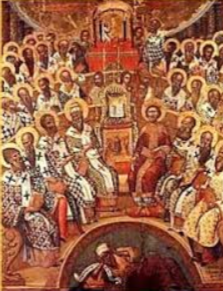
  • 325 A.D. — First Council of Nicaea

    The Church affirms the full divinity of Christ and begins formalizing core doctrinal language against heresy.

  • 451 A.D. — Council of Chalcedon

    The doctrine of Christ’s two natures—fully God and fully man—is clearly defined.

  • 589 A.D. — Filioque Introduced in the West

    A theological addition regarding the procession of the Holy Spirit begins to appear in Western regions, later becoming a major point of division.

  • 787 A.D. — Seventh Ecumenical Council

    The veneration of icons is restored, affirming their proper role in Orthodox worship and theology.

  • 325 A.D. — First Council of Nicaea

    The Church affirms the full divinity of Christ and begins formalizing core doctrinal language against heresy.

  • 451 A.D. — Council of Chalcedon

    The doctrine of Christ’s two natures—fully God and fully man—is clearly defined.

  • 589 A.D. — Filioque Introduced in the West

    A theological addition regarding the procession of the Holy Spirit begins to appear in Western regions, later becoming a major point of division.

  • 787 A.D. — Seventh Ecumenical Council

    The veneration of icons is restored, affirming their proper role in Orthodox worship and theology.

Expansion, Conflict, and Division (9th–15th Century)

  • 988 A.D. — Christianization of Kievan Rus

    The Orthodox faith spreads into Eastern Europe, shaping the religious identity of the region.

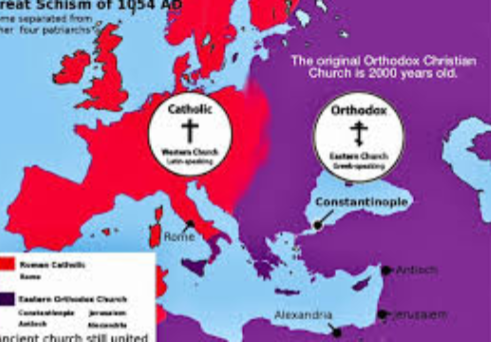
  • 1054 A.D. — The Great Schism

    A formal separation develops between the Eastern (Orthodox) and Western (Roman Catholic) Churches due to theological and jurisdictional disagreements.

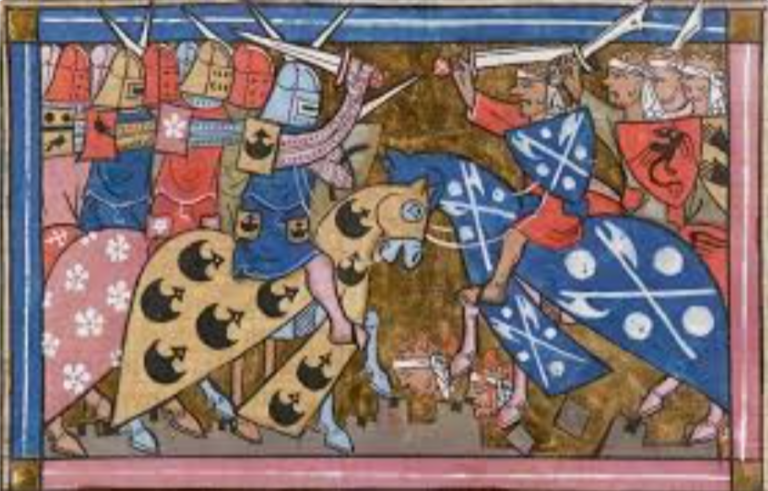
  • 1095–1204 A.D. — The Crusades

    Military campaigns initiated in the West deepen tensions, especially after the sack of Constantinople in 1204.

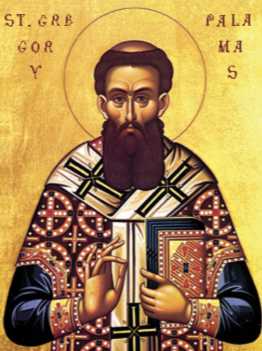
  • 1333 A.D. — Defense of Hesychasm

    St. Gregory Palamas articulates and defends the Orthodox understanding of prayer and participation in God’s energies.

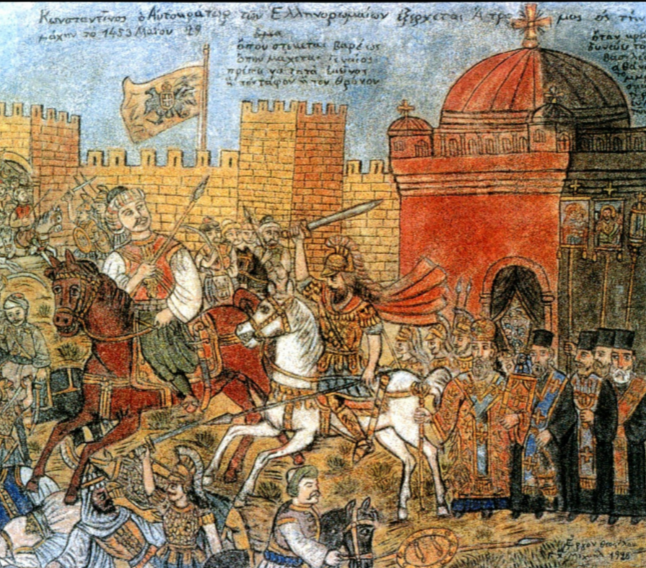
  • 1453 A.D. — Fall of Constantinople

    The Byzantine Empire comes to an end as the city is taken by the Ottoman Turks, reshaping the political landscape of Orthodoxy.

  • 988 A.D. — Christianization of Kievan Rus

    The Orthodox faith spreads into Eastern Europe, shaping the religious identity of the region.

  • 1054 A.D. — The Great Schism

    A formal separation develops between the Eastern (Orthodox) and Western (Roman Catholic) Churches due to theological and jurisdictional disagreements.

  • 1095–1204 A.D. — The Crusades

    Military campaigns initiated in the West deepen tensions, especially after the sack of Constantinople in 1204.

  • 1333 A.D. — Defense of Hesychasm

    St. Gregory Palamas articulates and defends the Orthodox understanding of prayer and participation in God’s energies.

  • 1453 A.D. — Fall of Constantinople

    The Byzantine Empire comes to an end as the city is taken by the Ottoman Turks, reshaping the political landscape of Orthodoxy.

Expansion, Conflict, and Division (9th–15th Century)

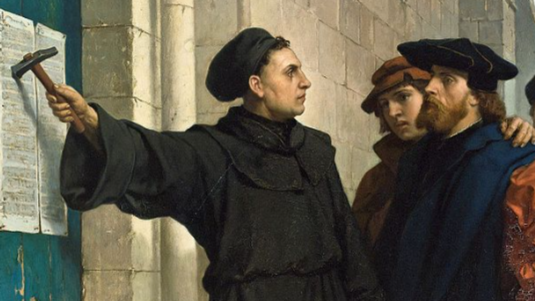
  • 1517 A.D. — Protestant Reformation Begins

    Martin Luther’s actions in Wittenberg spark widespread reform movements in Western Christianity.

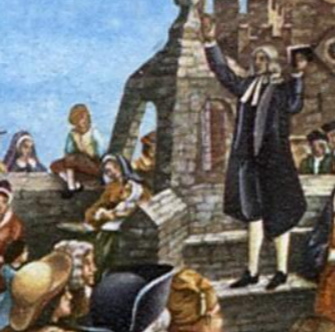
  • 1529 A.D. — Church of England Separates from Rome

    England establishes its own ecclesiastical structure independent of papal authority.

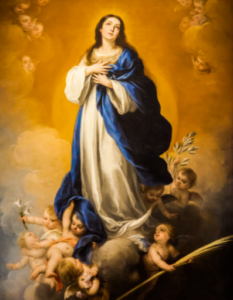
  • 1854 A.D. — Immaculate Conception Defined

    A new Marian dogma is formally declared in the Roman Catholic Church.

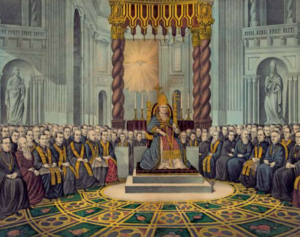
  • 1870 A.D. — Papal Infallibility Proclaimed

    The doctrine affirming the Pope’s authority in specific teachings becomes official Catholic dogma.

  • 1517 A.D. — Protestant Reformation Begins

    Martin Luther’s actions in Wittenberg spark widespread reform movements in Western Christianity.

  • 1529 A.D. — Church of England Separates from Rome

    England establishes its own ecclesiastical structure independent of papal authority.

  • 1854 A.D. — Immaculate Conception Defined

    A new Marian dogma is formally declared in the Roman Catholic Church.

  • 1870 A.D. — Papal Infallibility Proclaimed

    The doctrine affirming the Pope’s authority in specific teachings becomes official Catholic dogma.

Global Expansion of Orthodoxy (18th–20th Century)

  • 1794 A.D. — Orthodoxy Reaches Alaska

    Missionaries from Russia bring the Orthodox faith to North America.

  • 19th Century — Missions in Asia

    Orthodox Christianity spreads into regions such as Japan and China through missionary work.

  • 20th Century — Global Diaspora

    Political upheaval, especially under Communist regimes, leads to widespread migration and the growth of Orthodox communities worldwide.

  • 1988 A.D. — Millennium of Russian Christianity

    One thousand years of Orthodox Christianity in the Slavic world is commemorated, highlighting enduring continuity.
  • 1794 A.D. — Orthodoxy Reaches Alaska

    Missionaries from Russia bring the Orthodox faith to North America.

  • 19th Century — Missions in Asia

    Orthodox Christianity spreads into regions such as Japan and China through missionary work.

  • 20th Century — Global Diaspora

    Political upheaval, especially under Communist regimes, leads to widespread migration and the growth of Orthodox communities worldwide.

  • 1988 A.D. — Millennium of Russian Christianity

    One thousand years of Orthodox Christianity in the Slavic world is commemorated, highlighting enduring continuity.

As the timeline shows, Orthodoxy did not emerge later in history or develop as a reform movement—it has continued as the same Church from the beginning, preserving the faith once delivered to the Apostles.

Because Orthodoxy spread into many different regions, it is often associated with particular cultures or languages—but this can lead to some common misunderstandings.

'Greek Orthodox' or 'Russian' Orthodox?

Orthodox parishes are often identified by the language used in worship or by the cultural background of their members. This is why terms like “Greek Orthodox,” “Russian Orthodox,” or “Serbian Orthodox” are commonly used.

However, this can be misleading. There is only one Orthodox Church, and it is not bound to any nationality. The Church is universal — open to all people regardless of ethnicity. This is evident in many parishes today, where converts from Protestant, Catholic, and non-Christian backgrounds worship alongside lifelong Orthodox Christians.

Orthodoxy and Catholicism

For the first thousand years of Christian history, the Orthodox and Catholic Churches were united. The division that occurred around the 11th century arose from a number of complex issues, including the increasing centralization of authority in the Bishop of Rome.

Unlike the Catholic Church, the Orthodox Church has never had a single worldwide governing authority such as the Papacy. Instead, each local church governs itself while remaining in unity with all other Orthodox churches.

The Orthodox Church has also preserved the original form of the Nicene Creed. Changes introduced in the Western Church were another major factor contributing to the separation.

In terms of worship, the Orthodox Church has not undergone a universal liturgical reform, as occurred in the Catholic Church after Vatican II. Instead, it maintains a deeply rooted liturgical tradition, with practices that go back to the time of the Apostles. These include fasting on Wednesdays and Fridays, receiving Holy Communion after fasting, the use of ancient prayers and chants, regular confession, standing or kneeling during services, and baptism by full immersion.

Orthodoxy has never required a single universal language for worship, such as Latin in the West. From the beginning, services have been offered in the language of the people. The Church also maintains the ancient tradition of a married priesthood, while also honoring celibacy for those called to it (Matthew 19:10–12).

Orthodoxy and Protestantism

Protestant denominations—such as Baptist, Anglican (or Episcopalian), Lutheran, and Presbyterian—originated in Western Europe during the 16th century. These movements broke away from the Roman Catholic Church, which itself had separated from Orthodoxy centuries earlier.

Many of the early Protestant reformers sincerely sought to return to the faith and practice of the New Testament Church—the Church of the Apostles—which they believed had been altered over time. In many cases, what they were searching for had been preserved within the Orthodox Church.

In more recent times, certain groups within Protestantism have moved away from foundational Christian doctrines and moral teachings, despite the clear witness of Holy Scripture. In contrast, the theological and moral vision of Orthodoxy—what Saint Paul calls “the mind of Christ”—remains unchanged (1 Corinthians 2:16; Hebrews 13:8).

What Does Orthodoxy Teach?

The word “Orthodox” comes from the Greek meaning “right glory” or “right worship,” referring to the truth and correctness of the Church’s faith and worship (John 4:23–24).

The Orthodox faith is most fully expressed in the Holy Scriptures — the inspired books of both the Old and New Testaments. It is also summarized in the Nicene Creed, formulated at the first two Ecumenical Councils in 325 and 381.

This confession of faith teaches that there is one God in three Persons: Father, Son, and Holy Spirit. Jesus Christ, the Son of God, became man, was born of the Virgin Mary, suffered and died for our salvation, rose from the dead, and ascended bodily into heaven. He will come again to judge the living and the dead at the end of the age.

The Divine Liturgy stands at the center of Orthodox life. In this service, believers receive Holy Communion, which unites them with Christ and with one another across the entire world.

Through the Liturgy, we are also joined to the communion of saints—all those who have gone before us: martyrs, holy fathers and mothers, and the angelic hosts—who continually glorify God (Isaiah 6:3; Revelation 7:9–17). Most importantly, in Holy Communion we are united directly to Jesus Christ Himself, who gives us His Body and Blood (John 6:53–57).

Orthodox parishes celebrate the Divine Liturgy every Sunday, as well as on many feast days throughout the year.

Orthodox Christian Living

Through prayer, participation in the sacraments, and the reading of Holy Scripture, we seek to grow in our relationship with God. This also involves an ongoing struggle against sin, selfishness, and disordered desires, as well as a commitment to loving self-sacrifice for others.

In this way, we pursue deeper communion with God, who is Love (1 John 4:16). True and lasting happiness is found in this union with Him. Christ desires to give us this life, and the Church exists to lead us into that communion.


Includes adapted material from +Metropolitan Kallistos (Ware), along with edited content based on a post by Fr. Andreas Blom, Rector of Holy Archangels Orthodox Church, Ashland, Oregon.